 Skip to content

WordPress is more than just a blogging platform — it’s a powerful, flexible content management system (CMS) powering over 43% of all websites on the internet. But what is WordPress used for in the business world today? From small startups to enterprise-level organizations, WordPress offers unmatched versatility, scalability, and ease of use.
In this article, we’ll break down 10 practical ways businesses are using WordPress right now and why it’s still the go-to choice for entrepreneurs, marketers, and developers alike.
1. Business Websites
Whether you’re a freelancer or a Fortune 500 company, WordPress makes it easy to launch and manage a professional website. Themes like Astra, Kadence, and GeneratePress offer clean designs ready for customization.
2. Blogs & Content Hubs
WordPress began as a blogging tool — and it’s still the best. You can schedule posts, optimize with plugins like Yoast SEO or Rank Math, and grow organic traffic with content marketing.
3. eCommerce Stores
With WooCommerce, you can turn a WordPress site into a full-fledged online store. Sell physical or digital products, manage payments, and track orders — all within your dashboard.
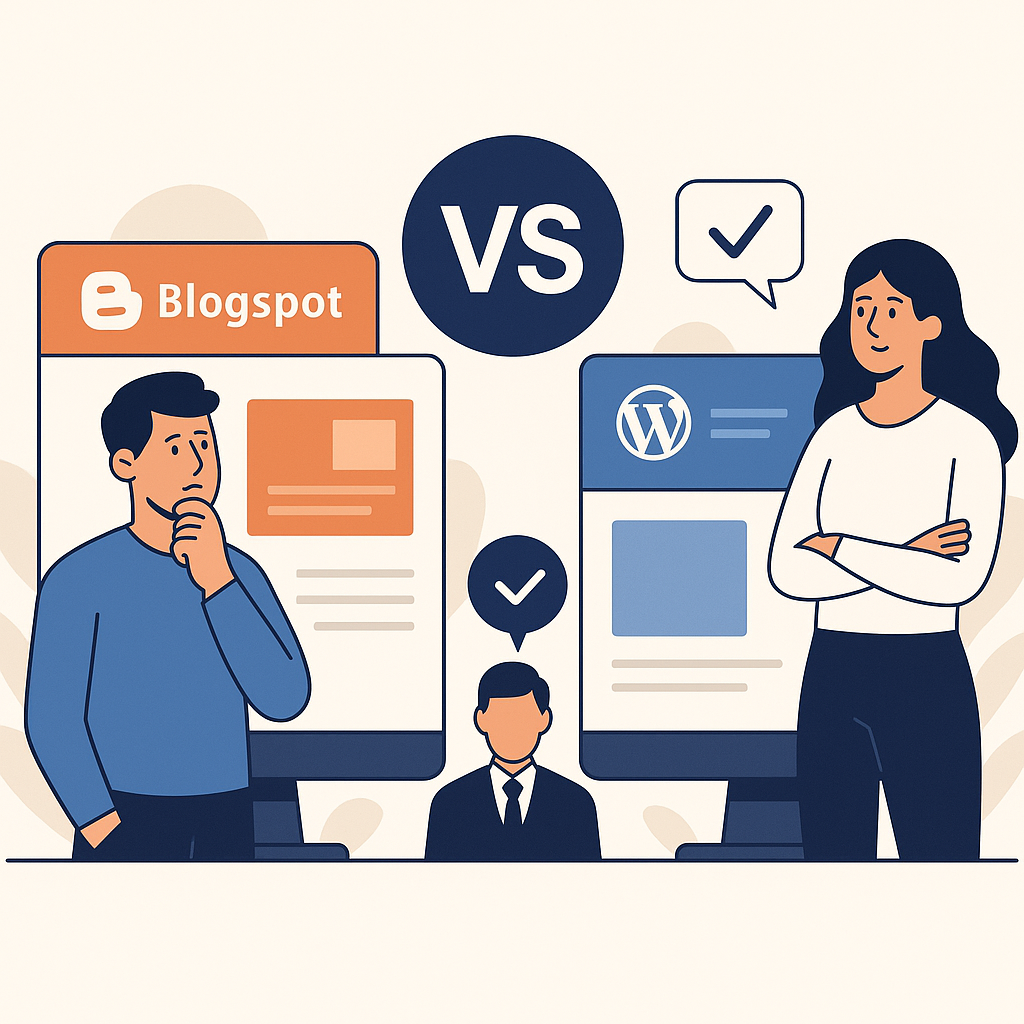
👉 Related: Why We Still Recommend WordPress Over Blogspot for Business Websites
4. Portfolio Sites
Photographers, designers, and writers use WordPress to showcase their work. Custom layouts and easy media handling make it perfect for creative professionals.
5. Online Booking & Appointments
Local businesses like salons, fitness coaches, and medical clinics use WordPress with tools like Bookly or Amelia to manage bookings directly through their site.
6. Learning Management Systems (LMS)
Create and sell online courses using plugins like LearnDash or LifterLMS. WordPress is an affordable and scalable LMS alternative to Teachable or Kajabi.
7. Membership Sites
With tools like MemberPress or Restrict Content Pro, you can build subscription-based content, online communities, or gated resources to monetize your expertise.
8. Landing Pages & Sales Funnels
WordPress page builders like Elementor, SeedProd, and Beaver Builder allow marketers to build high-converting landing pages without coding.
9. Job Boards & Classified Sites
You can create custom directory sites, job boards, or local listing portals using plugins like WP Job Manager or GeoDirectory.
10. Headless CMS for Modern Frontends
WordPress is now being used as a headless CMS with Next.js, Gatsby, or React, enabling faster, API-driven frontends for better performance and scalability.
👉 Learn more: What Is Headless WordPress and Is It Right for Your Business?
Why Businesses Still Choose WordPress in 2025
- Cost-effective: Open-source with thousands of free tools.
- SEO-friendly: Built-in features + strong plugin ecosystem.
- Customizable: Thousands of themes and plugins.
- Scalable: Works for small blogs and enterprise sites alike.
- Community Support: Massive developer base and active forums.
Frequently Asked Questions (FAQ’s)
Is WordPress good for small businesses?
Yes, it’s affordable, customizable, and scalable — perfect for growing brands.
Can I build a WordPress site without coding?
Absolutely. With page builders like Elementor or Gutenberg, no coding is needed.
Is WordPress secure for business websites?
Yes, as long as you use reputable themes/plugins and keep your site updated.
Does WordPress support eCommerce?
Yes. WooCommerce makes it easy to sell products and manage an online store.
What’s the difference between WordPress.org and WordPress.com?
.org is self-hosted (full control), while .com is hosted (limited customization unless on higher plans).